![IMG-20231106-WA0009[1]](https://alaytravelguide.com/wp-content/uploads/2026/05/IMG-20231106-WA00091.jpg)

Frequently Asked Question
If you are looking for adventure-style tours, then Kyrgyzstan is one of the best destinations to choose.
If you prefer jeep tours with dramatic high-mountain landscapes, the Pamir region of Tajikistan is the perfect option.
And if your interest lies in architecture, ancient cities, and cultural–historical heritage, we recommend the cultural tours of Uzbekistan.
Why Choose Kyrgyzstan for Adventure Tourism
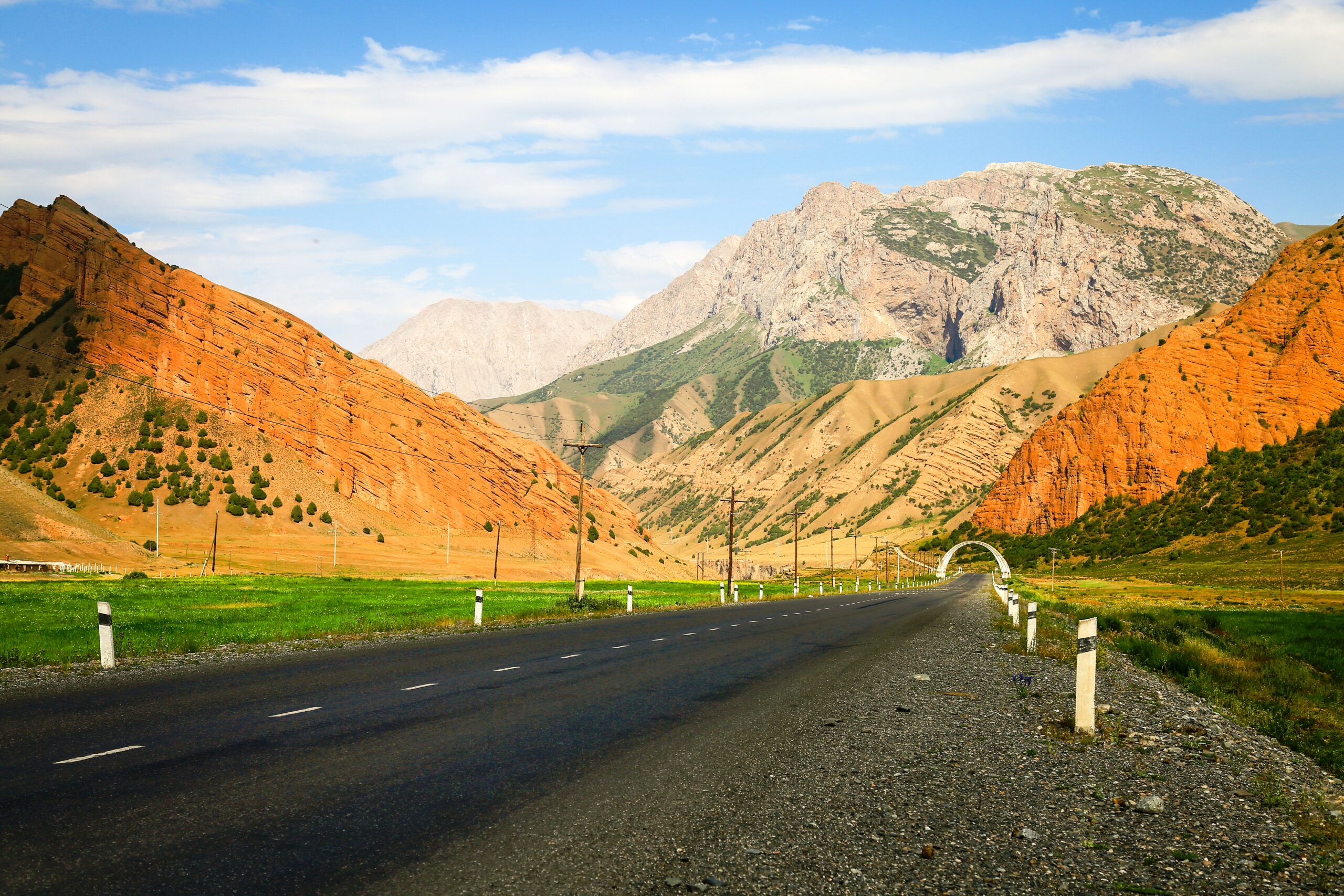
More than 90% of Kyrgyzstan is covered by mountains — from high alpine ranges to gentle foothills — which makes the country ideal for:
- trekking routes
- horseback expeditions
- mountain hiking
- off-road jeep tours
- nomadic cultural experiences
Most tours naturally run through mountainous terrain, meaning travelers experience untouched landscapes, remote valleys, and authentic nomadic life.
If You Choose Trekking Tours
Trekking tours require good preparation. You should be ready for:
- walking 4–7 hours per day
- variable mountain weather (sun, cold, wind, rain, sudden changes)
- simple accommodations in remote areas:
- yurts
- floor beds with mats and blankets
- outdoor or basic pit toilets
- limited washing facilities
- cold or sometimes no running water
These tours let you experience how Kyrgyz nomads live in high mountain valleys, see stunning landscapes, and fully immerse yourself in natural wilderness.
About Comfort Levels
In recent years, Kyrgyzstan has developed many accessible tourist locations with:
- proper guesthouses
- hot showers
- improved toilets
- café infrastructure
- good vehicle access
However, remote trekking routes, especially in rarely visited mountain areas, still have very basic conditions, and travelers must be prepared for that.
Important Considerations Before Choosing a Tour
When selecting a tour, pay attention to:
- your age
- your physical fitness
- your experience with mountains
- your tolerance to altitude
- your ability to adapt to simple living conditions
We recommend preparing your body for altitude and reviewing the technical difficulty of each route before starting the tour.
Our Experience
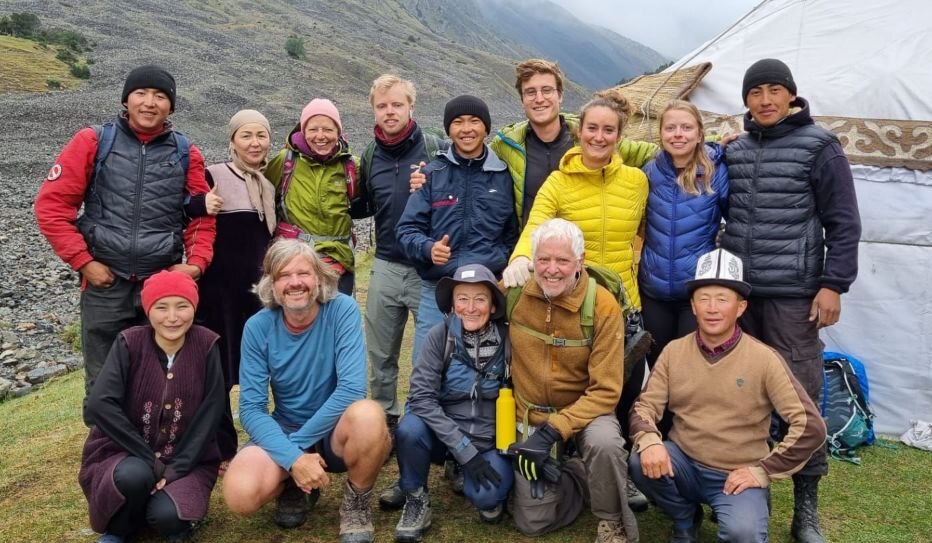
With our many years of guiding experience, we offer suitable tour options for:
- families
- older travelers
- adventurous and active groups
- mixed groups with different fitness levels
We always adjust itineraries according to the traveler’s condition and expectations to ensure the best possible experience.
1. Visa-Free Entry (No Visa Required)
Citizens of these countries can enter without a visa and stay for a specified period.
✔ Visa-Free for 60 Days (Most USA/Europe/Asia)
- All European Union / Schengen states
- United States of America
- Canada
- United Kingdom
- Australia
- Iceland
- New Zealand
- Japan
- South Korea
- United Arab Emirates
- Qatar
- Poland, Sweden, Finland, France, Spain, Italy, Netherlands, Belgium, Switzerland, Ireland, Austria, Norway, and others from EU list.
✔ Visa-Free / Special Agreements
These countries also have visa-free entry (often with specific time limits):
- Russia — indefinitely via CIS mobility agreements
- Kazakhstan — visa-free
- Uzbekistan — visa-free
- Tajikistan — visa-free
- Belarus — visa-free
- Armenia — visa-free
- Azerbaijan — visa-free
- Georgia — visa-free
- Vietnam — visa-free
- Mongolia — visa-free
- Malaysia — visa-free for up to 30 days
- Turkey — visa-free for up to 30 days
- Ukraine — visa-free (up to 90 days)
These visa-free provisions are usually for tourism/business travel — check exact stay duration for your passport before arrival.
2. Countries with e-Visa or Visa on Arrival Options
If you are not visa-free, you can typically apply for a Kyrgyz e-Visa online or obtain a visa on arrival in some cases.
Examples include many countries in Asia, Africa, Latin America and Middle East:
e-Visa eligible:
- India – e-Visa required
- China (including Hong Kong/Macau SAR) – e-Visa
- Philippines – e-Visa / visa on arrival
- Iran – e-Visa
- Bangladesh – e-Visa
- Pakistan – e-Visa
- Indonesia – e-Visa / visa on arrival
- South Africa – e-Visa / visa on arrival
- Kenya – e-Visa
- Most African nations – e-Visa available
- Latin American countries – many offer e-Visa options
e-Visa: apply online via the official portal, upload documents, pay online, get visa electronically. Processing ~3–5 business days.
Visa on arrival: in some cases like Philippines or certain African countries, but confirm with embassy/consulate before travel.
3. Countries that Require a Visa in Advance
Some passports still need a full visa before traveling (through embassy/consulate):
Examples include (but not limited to):
- Many African states unless covered by e-Visa (e.g., Zimbabwe, Nigeria has options, but other countries deeper restrictions exist)
- Latin America passports not listed in visa-free/e-Visa categories
- Some Middle Eastern countries without visa arrangements
(Exact list depends on nationality and bilateral agreements — check official e-Visa portal for that country.)
Special Immigration Notes
✔ Visa-free entry does NOT remove the need for a border permit (pogran-propusk) for certain controlled areas like:
- Lenin Peak
- Kel‑Suu
- China / Tajikistan border fringes
✔ Duration and conditions may depend on passport type (ordinary vs diplomatic) and bilateral treaties between countries.
Summary
Category | Stays Allowed | Main Countries |
Visa-Free (60 days) | Ordinary passport tourist/business | EU, UK, USA, Canada, Japan, S. Korea, UAE, Qatar, Australia, NZ |
Visa-Free via special pacts | Variable | CIS (Russia, Kazakhstan, Uzbekistan, Tajikistan, Belarus), Georgia, Vietnam, Turkey |
e-Visa / Visa on Arrival | Apply online before travel | India, China, Philippines, many Asian/African states |
Full Visa Required | Embassy process needed | Some Middle East, Africa, Latin America not in visa-free/e-Visa lists |
Best Practice: check the official Kyrgyz e-Visa portal before travel to confirm current rules for your specific nationality: www.evisa.e-gov.kg
In trekking tours, a porter is needed when the route does not have yurts, huts, or any form of accommodation. In such cases, tents, sleeping bags, food supplies, and other equipment must be carried by a porter.
However, on our Alaï Circular Trekking Route, yurt camps are now fully operational.
Therefore, porters are not included in standard tour packages, because:
- yurts for overnight stays are available,
- local families stay in the camps and provide dinner and breakfast,
- basic facilities are already arranged for trekkers.
When do you need a porter?
A porter becomes necessary when:
- your group has more than 2 people, or
- you carry extra clothing and more personal items.
We can arrange a porter upon request.
We offer two types of porters:
- Walking porter – can carry 15–20 kg
- Horse porter – can carry 30–40 kg, and up to 50–60 kg if the distance is short
What do you carry yourself during the trek?
When yurt camps are available along the route, each morning the hosts prepare a lunch box for you. You only carry:
- Your lunch.
- 1–1.5 liters of drinking water,
- Personal clothing items,
- Sun protection and essentials.
Therefore, before booking a trekking tour, it is important to check which overnight points have yurts or guesthouses.
When accommodation is available, the need for a porter is usually minimal.
Horse Porter (Porter with a Pack Horse)
If you choose a horse porter, it is essential to have a kurzhun (a traditional double-sided saddlebag).
Our porter service includes kurzhuns.
Recommended kurzhun size:
- Length: 0.80–0.90 m
- Width: 20–30 cm
This size fits:
- One backpack in each pocket.
- Plus small extra bags on top.
If the kurzhun is smaller, large backpacks may not fit properly.
If you book a horse-riding tour.
For horse-riding tours, we provide kurzhuns approximately 0.60 m in length.
These are suitable for carrying your essential personal items.
If you have extra luggage, you will need to carry it yourself or leave it at the base camp.
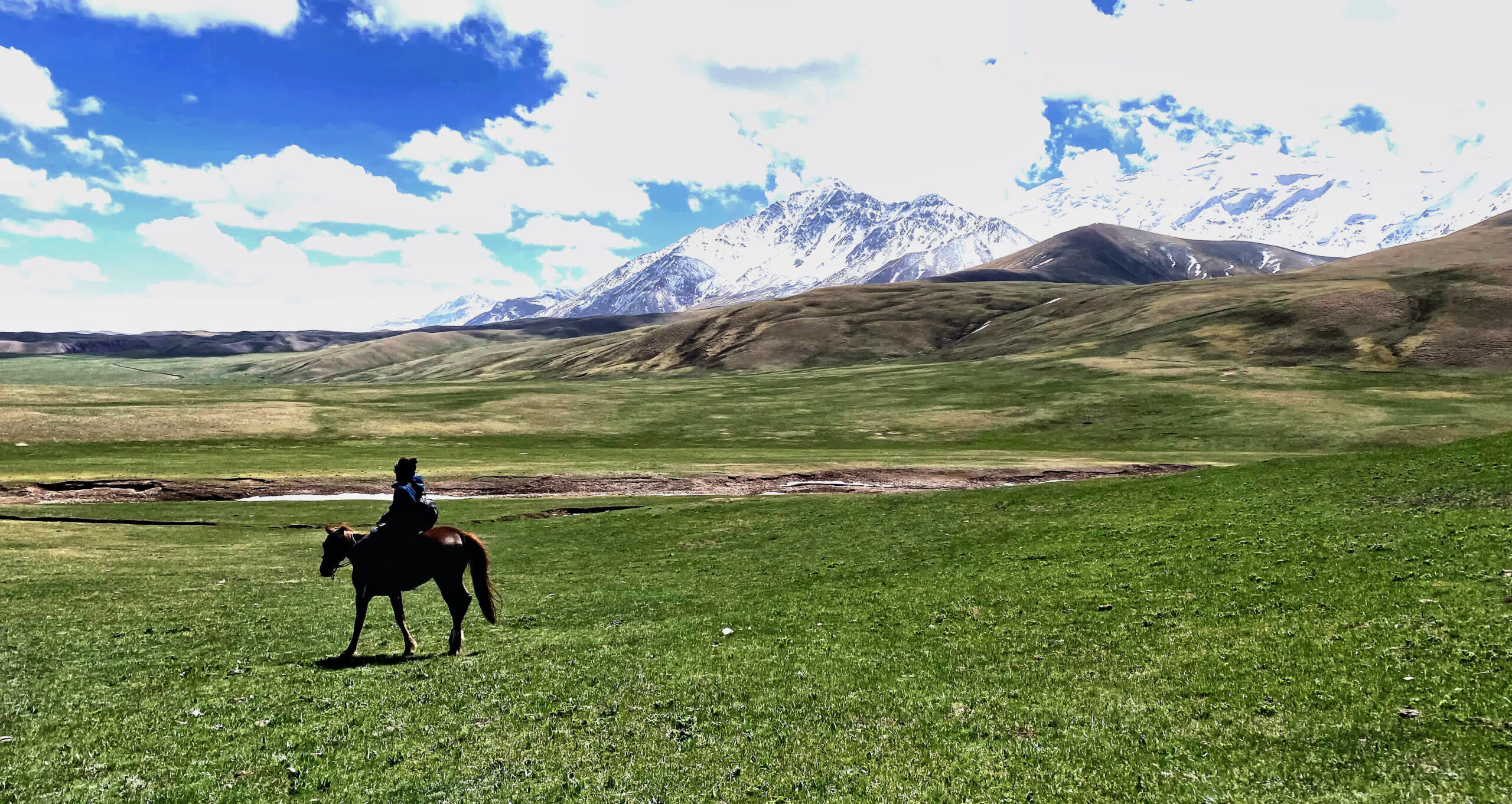
Horseback riding is one of the most popular adventure activities in Kyrgyzstan. For centuries, local people have relied on horses to travel across mountains, valleys, and high pastures (jailoo). For villagers, riding a horse is not something special—it is a normal daily skill.
There are different types of horses in Kyrgyzstan. Some are used for traditional games and celebrations and are kept strong, fast, and well-fed. However, for trekking we mostly use calm and steady “working horses,” which are ideal for tourists, including beginners. These horses are used daily by local families and are familiar with mountainous terrain.
If you have never ridden a horse before only a few short rides on flat ground—don’t worry. We design our tours based on your experience. Riding 5–6 hours per day on flat terrain is easier, but if the route goes up and down mountain passes, both you and the horse will naturally get tired. This is normal.
Most horses behave similarly, but some may have their own personality. For example:
- some horses move normally only when the rider holds a whip,
- others may run too fast if they see a whip,
- some horses may act competitive when riding next to another horse and try to overtake it or bite it,
- and sometimes a horse may test a beginner rider by trying to turn in another direction. After a short time, you will get used to controlling it.
Since a horse is a living animal, it is very important to maintain your balance while riding. Saddles also vary: some traditional saddles are wooden and more rigid, while others have modern lightweight metal frames. Because all horses come from local families, saddles may differ from village to village.
Overall, horse trekking in Kyrgyzstan is comfortable and allows you to enjoy the beauty of nature without getting too tired. Horses can access places where cars cannot go, and during steep climbs or long distances you will appreciate the comfort they provide. On foot, you would get tired faster and enjoy less of the landscape.
Our tours always include an experienced guide. For bigger groups or families, additional horsemen accompany the tour. Each horse has a small saddlebag where you can keep your water, snacks, and essential clothing.
Below are important safety and riding rules.
Important Horse Riding Tips
- Securing Your Horse – Our horses are tied to a rope and anchor when stopped. If you dismount, hold the rope until your guide secures the anchor in the ground—or do it yourself—to prevent the horse from wandering off.
• Handling While Riding – Be extra cautious when taking photos, filming, or adjusting clothing while on horseback, as sudden movements may startle the horse.
• Encouraging Movement – If your horse is moving too slowly or not responding, loosen your grip on the bridle and say “CHO,” or lightly kick its sides with the stirrups. If needed, repeat the kick 3–4 times with more pressure.
• Stopping the Horse – To stop, firmly pull the bridle toward yourself without using verbal commands. Horses react more to physical signals than words.
• Maintaining Balance – Always keep your balance. Horses may react unexpectedly to birds, wind, or sudden noises.
• Avoid Feeding After Sweating – Let the horse rest and cool down before giving it food.
• Wear Proper Clothing – Avoid wearing shorts; stirrups can cause discomfort and leg injuries.
• Approach with Caution – Do not approach a horse at night or early morning without the horseman’s permission; some horses resist being caught by anyone other than their owner.
• Controlling Stallions – Our horses are safe for riding. However, if a stallion meets mares, it may try to approach them. If this happens, firmly pull the bridle in the opposite direction while kicking gently to redirect it.
Tourists can enter Kyrgyzstan by air or overland via neighboring countries. Below is a clear and comprehensive overview for travelers from Europe, Asia, the Middle East, and other regions.
1. Flying to Bishkek (Manas International Airport – FRU)
Bishkek is the main international gateway to Kyrgyzstan.
Direct & frequent flights to Bishkek come from:
- Istanbul
- Dubai
- Abu Dhabi
- Doha
- Moscow, St. Petersburg, Novosibirsk
- Delhi (seasonal)
- Tashkent
- Almaty, Astana
Recommended airlines:
- Turkish Airlines
- Pegasus Airlines
- FlyDubai
- Wizz Air Abu Dhabi
- Qatar Airways
- Uzbekistan Airways
- Aeroflot, S7 Airlines
- Air Astana
Best for travelers going to:
- Bishkek & Chui Valley
- Issyk-Kol region (Cholpon-Ata, Karakol)
- Naryn region (Song-Kol, Tash-Rabat)
- Trekking routes in northern Tien-Shan
Bishkek is ideal for starting northern and central Kyrgyzstan itineraries.
2. Flying Directly to Osh (Osh International Airport – OSS)
Osh is the best arrival point for tours in southern Kyrgyzstan and the Pamir-Alay region.
Direct flights to Osh are available from:
- Istanbul
- Moscow
- Novosibirsk
- Yekaterinburg
- Tashkent
- Fergana, Andijan
3. Entering Kyrgyzstan Overland via Neighboring Countries
From Kazakhstan → Bishkek
- Border crossing: Kordai / Ak-Zhol
- Route: Almaty → Bishkek (3–4 hours)
- Convenient for tourists arriving in Almaty
From Uzbekistan → Osh
- Border crossing: Dostuk (Andijan–Osh)
- Only 15–30 minutes drive to Osh
- Most popular land entry for Central Asia overlanders
From Tajikistan → Osh / Alay Valley
- Crossing: Kyzyl-Art → Sary-Tash → Osh
- Ideal for travelers coming from the Pamir Highway (M41)
- Border zone permit required near Lenin Peak
Entry to Kyrgyzstan via Tajikistan → Batken
This route is convenient for travelers coming through the northern regions of Tajikistan, especially from the Sughd Province.
Main Border Crossings
Kanibadam – Kistakuz
- A convenient entry point from Tajikistan’s Sughd Region
- Provides a direct connection into the Batken Valley
- Suitable for travelers heading to Batken and surrounding areas
Isfara – Batken
- The shortest and most direct route from northern Tajikistan
- Offers quick access to Batken, Samarkandek, and Kadamjay
- Well-used by regional overland travelers
Important Notes
- Some border sections may operate under restricted or limited schedules depending on the current political or security situation
- Travelers are advised to check the latest border status before planning their entry
- Crossing regulations can vary, so prior confirmation is strongly recommended
4. Best Travel Routes for Different Tourist Regions
For European Travelers
Most convenient routes:
- Europe → Istanbul → Bishkek or Osh
- Europe → Dubai → Bishkek or Osh
- Europe → Abu Dhabi → Bishkek
- Europe → Doha → Bishkek
Recommended airlines:
Turkish Airlines, Pegasus, FlyDubai, Qatar Airways, Wizz Air Abu Dhabi.
For Travelers from Asia
South Asia (India, Pakistan, Bangladesh, Sri Lanka)
- Delhi → Bishkek (seasonal direct)
- Delhi/Mumbai → Istanbul → Bishkek/Osh
- Delhi → Dubai → Bishkek
East Asia (Japan, Korea, China)
- Tokyo/Osaka → Seoul → Bishkek
- Seoul → Bishkek (seasonal)
- Beijing/Urumqi → Bishkek
For Travelers from the Middle East
- Dubai → Bishkek or Osh (FlyDubai)
- Abu Dhabi → Bishkek (Wizz Air Abu Dhabi)
- Doha → Bishkek (Qatar Airways)
- Istanbul → Bishkek/Osh (Turkish Airlines, Pegasus)
This is the most convenient option for GCC and Middle Eastern visitors.
For Travelers from the USA & Canada
- New York / Los Angeles / Toronto → Istanbul → Bishkek/Osh
- USA → Doha → Bishkek
- USA → Dubai → Bishkek
These routes offer the fastest connections to Kyrgyzstan.
Summary Table
Entry Method | Best For |
Flight to Bishkek | Europe, Middle East, Asia, USA/Canada |
Flight to Osh | Alay region, Pamir Highway, South Kyrgyzstan |
Via Kazakhstan (Almaty → Bishkek) | Travelers landing in Almaty |
Via Uzbekistan (Dostuk → Osh) | Andijan/Fergana region visitors |
Via Tajikistan (Kyzyl-Art → Alay) | Pamir Highway travelers |
Via hubs like Istanbul, Dubai, Doha | Convenient for worldwide travelers |
Hiking in the mountains is not a simple activity. The climate will vary: it will be cold in the morning and evening, but when the sun is out (approximately from 09:00 to 16:00), it will be warm (if the weather is clear). It will become cold again before sunrise. During the ascent (walking), sweating occurs, and sometimes you may need to strip down to your underwear. You will experience intense thirst, lose a lot of fluids, and burn fat.
Walking in the mountains and mountaineering are activities that trigger an adrenaline rush. This active form of tourism is a sport that challenges everyone and requires patience.
Hiking Essentials
Clothing: Dress in layers – this allows you to remove or add clothing as needed.
- Underwear: Medium-thickness thermal underwear for comfort while walking. Soft and textured fleece is recommended, especially favored by climbers – it is warm, comfortable, and pleasant to the touch.
- Down jacket or sweater: Designed to retain warmth.
- Jacket or down jacket: Should be breathable, warm, and lightweight. Many climbers wear down jackets because they retain heat well and take up little space in a backpack when folded.
- Outer layer: A lightweight rain jacket or stormproof shell, especially necessary in rainy weather.
- Pants: With thermal lining and fleece material – not too thick, but not too thin, to retain warmth and ensure comfort during movement. It is important that the pants are comfortable, as there may not always be an opportunity to change clothes during the hike. Outer pants must be windproof and waterproof.
- Gloves: Waterproof and medium-thickness, as it can be cold in the morning and evening, especially when using trekking poles or setting up a tent.
- Hat: Fleece or another warm hat that covers the ears and cheeks.
- Face mask: Recommended at temperatures of -10 to -20 ℃ before sunrise. Used to protect the face, nose, and teeth from frost.
- Warm socks: At least 2 pairs.
- Footwear: High-altitude mountaineering boots (three-layer), waterproof on the outside, with soft thermal lining inside, and lightweight. Modern models weigh no more than 2 kg per pair. (It is advisable to try this out beforehand, if possible, on the slopes for a few hours, so that your feet do not feel discomfort later.)
Hygiene Items: Liquid toothpaste, toothbrush, soap, towel, razor.
Protective Items: Sunscreen, special protective dark glasses, lip balm, toilet paper, a collapsible (elastic) water bottle that can be placed in a bag and drunk from using a hose (preferably 3 liters), and a headlamp with spare batteries.
Safety Items: Medications in tablet or powder form for treating colds, heat-related illnesses, and altitude sickness. In the mountains, stomach issues, blood pressure problems, altitude sickness (suffocation), burns, and frostbite are common. As the body weakens due to energy loss, it is recommended to bring painkillers and vitamin supplements, preferably taken before the start of the tour.
Insurance: If you plan to climb mountains, insurance is necessary. In Kyrgyzstan, for example, insurance coverage of at least $30,000 is required for climbs on Lenin Peak, Khan Tengri, and Pobeda Peak. When ascending snowy peaks, it is recommended to have a beacon and GPS tracker for emergency communication.
Hiking Gear:
A hiking backpack is the most important piece of equipment and must meet the following requirements.
The volume of the backpack is calculated based on the expected load and is measured in liters (40, 60, 80, 100, 120 liters). Its height should be such that the backpack fits from shoulder level to waist level. Otherwise, carrying the backpack will be uncomfortable and may cause discomfort during movement.
The backpack should be made of high-quality, breathable materials. The straps should be thick, wide, and have a soft inner surface to prevent discomfort and chafing during prolonged use. The waist belt should be made of rigid plastic to ensure comfort when carrying heavy or irregularly shaped items.
It is desirable for the backpack to be covered with a waterproof cover.
If you are a climber and plan to ascend snowy peaks, you will need a lot of gear. In this case, you can hire porters to carry your belongings. If you plan to carry your gear yourself, choose a large-capacity backpack designed for heavy loads.
Tent: For snowy peaks, a lightweight and durable high-altitude tent that can be set up and taken down quickly is recommended. For trekking at altitudes between 3,000 and 4,000 meters above sea level, high-altitude tents are preferable. If such a tent is not available, a lightweight waterproof model with a water resistance rating of 3,000–4,000 mm is suitable.
Sleeping Bags: Sleeping bags designed for climbing snowy peaks should be lightweight (weighing up to 1 kg) and preferably filled with down, which retains warmth at temperatures as low as -20 ℃ and below. For camping tours, the choice of sleeping bag depends on the climatic conditions of the area where the hike will take place.
Sleeping Pad: This is one of the most important pieces of equipment, providing protection from the cold and moisture coming from the ground. There are two main types of sleeping pads: inflatable and polyethylene. A simple polyethylene pad is preferable as it is lighter, more durable, and less prone to damage compared to an inflatable one. The disadvantage of inflatable pads is that they need to be repaired if punctured, and they are usually heavier. For multi-day hikes, a polyethylene pad with a thickness of at least 1.5 cm is recommended.
Food:
For climbing, it is recommended to bring freeze-dried meals that can be quickly prepared by adding water. Also, include dried fruits and high-calorie chocolate bars in your diet. They will help maintain energy levels and keep you feeling full longer. It is important to choose lightweight foods with minimal waste to make carrying easier and avoid littering the environment.
Cooking Kit:
- Gas stove with a canister (230g)
- 2-3 boxes of matches (lighters bought at the market may not work at high altitudes, or bring high-quality lighters)
- Spoon, knife, plastic mug, deep plate
Many items may turn out to be unnecessary, so it is important to monitor the weight of your gear.
Mountaineering Kit:
A set of descent and safety equipment: rope, crampons, ice hooks, ascenders, small shovel-like tools, and an ice axe.
Rental of Tourist Equipment in Sary-Mogol:
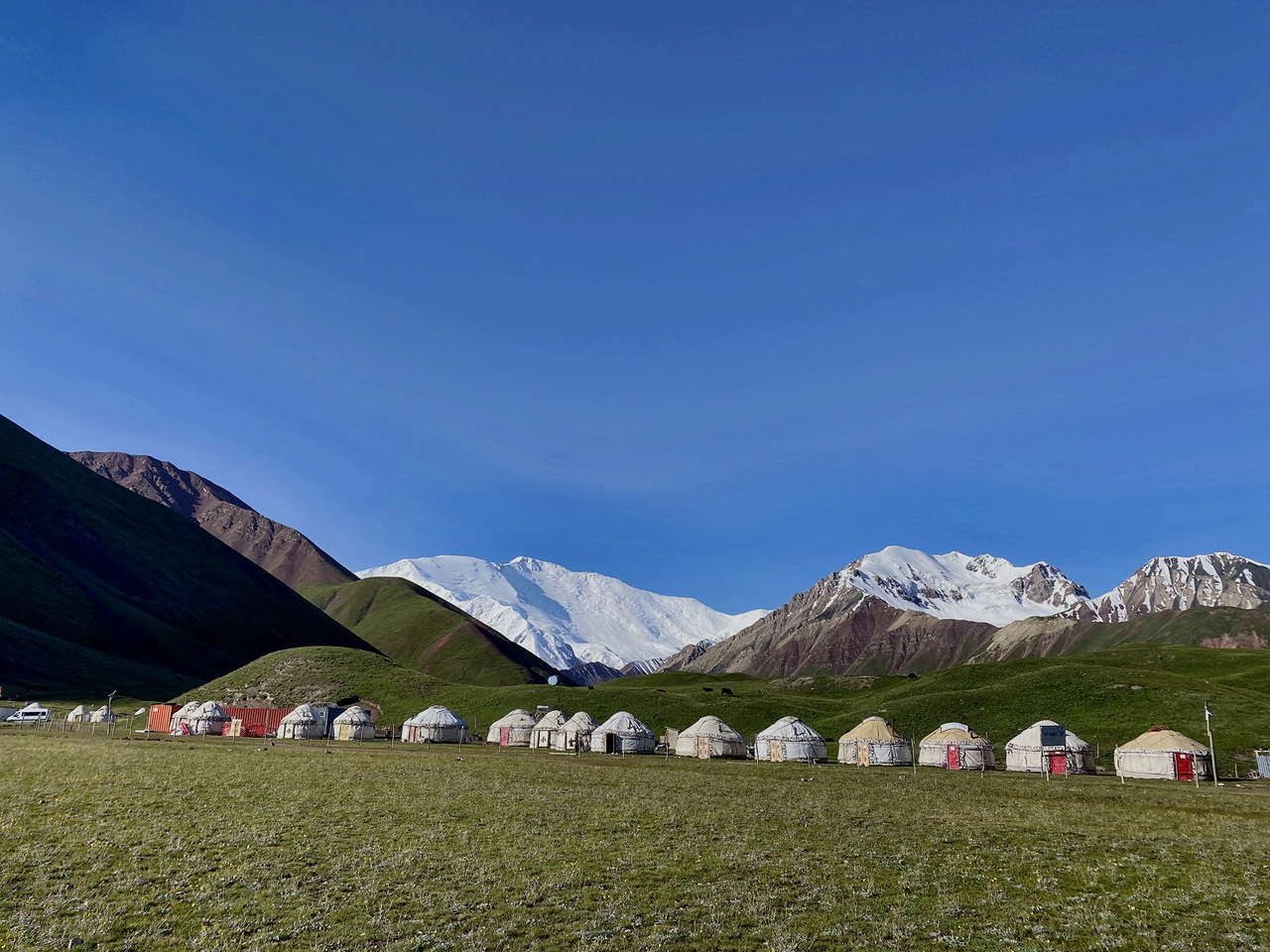
At the Alai Travel guesthouse in Sary-Mogol, as well as at a small shop in Tulpar-Kol yurt camp, equipment is available for your needs. To rent or purchase equipment, check availability with us in advance.
Equipment and Prices:
- Jackets:
- Sale: $20
- Rental: $5 per day
- Pants:
- Sale: $10
- Rental: Inquire
- Boots (suitable for light tours):
- Sale: Inquire
- Rental: Inquire
- Trekking Poles:
- Rental: $3 per day
- Camping Gas Canisters (230g):
- Sale only: $15
- Stoves:
- Rental: $5 per day
- Equestrian Helmets:
- Rental: $3 per day
- Backpacks:
- Large: $10 per day
- Small: $5 per day
- Tents (3-season, 2-person):
- Rental: $10 per day
- Sale: $70–100 (used)
- Sleeping Bags:
- Down (up to -20°C and below): $12 per day
- Synthetic (up to -5°C): $5 per day
- Sleeping Pads:
- Basic: $2 per day
- New (sale): $12
- Camping Tables (1x1 m):
- Rental: $10 per day
- Folding Camping Chairs:
- Rental: $2 per day
- Kurzhuns (80x80 cm):
- Rental: $10 per day
- Camping Utensils (per person set):
- Rental: $3 per day
- Climbing Rope:
- 20 meters: $10 per day
- 10 meters: $5 per day
- Crampons:
- Rental: $5 per day
- Ice Axes:
- Rental: $5 per day
- Climbing Harness:
- Rental: $15 per day
- Mountain Bikes (for rides around Tulpar-Kol):
- Rental: $20 per day
1) Quick Summary (For fast understanding)
- Daily shared taxis from Osh to Sary-Mogol: 15:00–16:00, price 600 KGS (locals), 700–800 KGS (tourists).
- Shared taxis leave when full (7 seats).
- If you want to go earlier, you must pay for all 7 seats.
- From Sary-Mogol to Osh: daily at 07:00.
- Private comfortable vehicles (4×4): 16,000 KGS one way.
- Local trips (Tulpar Kol, Kosh-Kol, etc.) have fixed 2026 prices listed below.
- Mountain trips are expensive because of bad roads, high fuel use, and empty return.
2) Full, Clear Guide for Tourists
- Where to find shared taxis in Osh
Shared taxis to Sary-Mogol do NOT leave from the main bus station.
They depart from a small taxi stand located near the Dostuk Central Bridge.
What you will see there:
- Drivers calling: “Chong-Alay! Sary-Mogol!”
- Mostly 7-seater minivans
- Passengers loading bags, groceries, etc.
- Daily Departure Time (Osh → Sary-Mogol)
15:00–16:00 — the main daily departure window.
The taxi leaves when all 7 seats are full.
If you arrive later than 16:00:
- You may not find a shared taxi.
- Private transport becomes the only option.
- Prices (Osh → Sary-Mogol)
Category | Price (one way) |
Local passenger | 600 KGS |
Tourists (quoted) | 700–800 KGS |
Pay for entire taxi (7 seats) | 4200–5000 KGS depending on negotiation |
Notes for tourists:
- Drivers may try to charge tourists a bit higher.
- You can politely ask: “Same price as locals, right? 600?”
- How drivers distribute passengers
At the taxi stand, drivers load passengers going to:
- Sary-Mogol
- Chong-Alay villages (e.g., Daroot-Korgon, Kashka-Suu, etc.)
What you MUST know:
- If you sit in a Sary-Mogol taxi, it brings you directly to your guesthouse.
- If you sit in a Chong-Alay taxi, they will drop you at the main highway, and you must walk to your guesthouse.
Always ask before boarding:
“Is this taxi going directly to Sary-Mogol village?”
- If you want to leave Osh earlier (morning/noon)
You have 3 options:
Option 1: Pay for all 7 seats
Tell a driver:
“I will pay for all seven seats, please go now.”
The driver will depart immediately.
Option 2: Ask us to arrange an empty taxi
We can call local drivers and arrange a car that is not yet loaded.
You pay the full taxi price.
Option 3: Request a private 4×4 jeep
- Land Cruiser or similar
- Very comfortable
- Price: 16,000 KGS one way
- Recommended for people with luggage or long travel plans
- Sary-Mogol → Osh (Morning Transport) — Updated & Complete Version
Every morning, shared taxis travel from Sary-Mogol to Osh on a fixed schedule.
Daily Departure Time
- 06:30- 07:00 confident — taxis leave.
- Be ready at 06:50–07:00 in your guesthouse
Important: There is NO central taxi stand in Sary-Mogol
Unlike Osh, Sary-Mogol does not have a public taxi station.
All morning taxis:
- Pick up passengers directly from their guesthouses
- Follow a pre-made list of booked passengers
- Do not wait if someone is late
Because of this, you must inform your guesthouse owner.
Your host will call the driver and add your name to the morning list.
If your name is not on the list:
- The taxi may pass by your house
- Or it may already be full
- The driver will not search for you
Pre-booking is required (one day before)
Morning taxis are usually fully booked the night before.
To secure your seat:
- Ask your guesthouse owner to call a driver the evening before
- They will confirm the pickup time and add you to the route list
Taxis leave strictly on time because:
- They already have confirmed passengers
- They must reach Osh early to return again later in the day
If you miss the 07:00 shared taxi
Option 1 — Wait on the main road
You can walk to the main highway near the Pamir-Alay gas station.
Cars passing from Chong-Alay villages will sometimes have empty seats.
Waiting time:
20 minutes – 1 hour
Option 2 — Hire a private car
If you are in a hurry, your guesthouse owner can arrange a private vehicle.
However, you must pay:
- the price of all 7 seats (full taxi)
- Important warning for tourists
Shared taxis are for local passengers, not tourists.
So always:
- Keep all your belongings with you.
- Do not leave items inside the car after arrival.
- Lost items are usually impossible to recover.
3) Local Transport Prices Around Sary-Mogol (Updated for 2026)
These routes are used by most trekkers who visit Tulpar Kol, Kosh-Kol, and Lenin Peak Base Camp.
- Sary-Mogol → Tulpar Kol Lake
- Distance: 23 km
- Time: 1 hour
- Price: 3000 KGS per vehicle (one way)
- Road: partly rough
- Drop-off at the camp or yurt area
- Sary-Mogol → Sary-Mogol Trekking Trailhead
- Distance: 15 km
- Time: 1 hour
- Road: rough, slow
- Price: 3000 KGS per vehicle
- Sary-Mogol → Kosh-Kol Trekking Start
- Distance: 37 km
- Time: 1h 30min
- Road: difficult
- Drivers often charge a day price because there is no camp.
Prices:
- 7000–8000 KGS (wait + return)
- 5000–5500 KGS (drop-off only)
Only high-clearance 4×4 vehicles accept this route.
- Sary-Mogol → Kyzyl-Art Border (Tajikistan)
- Distance: 66 km
- Road: very rough, high altitude
- Only SUVs recommended
Price:
- 12,000 KGS per vehicle
- New trend: Sprinter minibuses (18 seats) sometimes take groups — cheaper for group travelers and they hired in advanced with confident drivers
If going to Murgab or further in Tajikistan, ask us for updated info.
4) Why Mountain Trips Are More Expensive (Tourist Explanation)
Many tourists compare:
- Osh → Sary-Mogol prices
vs - Sary-Mogol → Tulpar Kol prices
Here is the clear logic:
- Osh → Sary-Mogol is cheaper because:
- Fully asphalt road
- Low fuel consumption
- Shared taxi makes two full trips per day
- Income example:
- 600 × 7 = 4200 KGS per one direction
- 4200 × 2 = 8400 KGS per day
- Mountain routes are expensive because:
- a) Drivers calculate round-trip cost
They go with you full, but return empty → no income.
- b) Road conditions are poor
Driving is slow and fuel consumption is high.
- c) Vehicle damage is frequent
Mountain roads destroy:
- suspension
- tires
- bushings
- steering elements
Drivers reinvest constantly into repairs.
- d) If you are 1–2 people
You must pay the full car price → no other passengers.
5) Practical Advice for All Travelers
- Always ask “Is this taxi going directly to Sary-Mogol?”
- Confirm the price before boarding.
- Keep your bags close, do not leave anything inside the car.
- If you need early transport, tell us the day before.
- Mountain trips require 4×4 vehicles.
- After arriving in Sary-Mogol, you can book transport to:
- Tulpar Kol
- Kosh-Kol
- Trekking trailheads
- Lenin Peak camps